
Choosing clothes for teenagers is not always as simple as picking attractive colors or following the latest trend. Teenagers are developing their own personalities, preferences, and sense of style, so the clothing they choose often needs to balance fashion, comfort, quality, and individuality. This is one reason girls clothing brands can differ greatly in the way they design, price, and market their collections for teens.
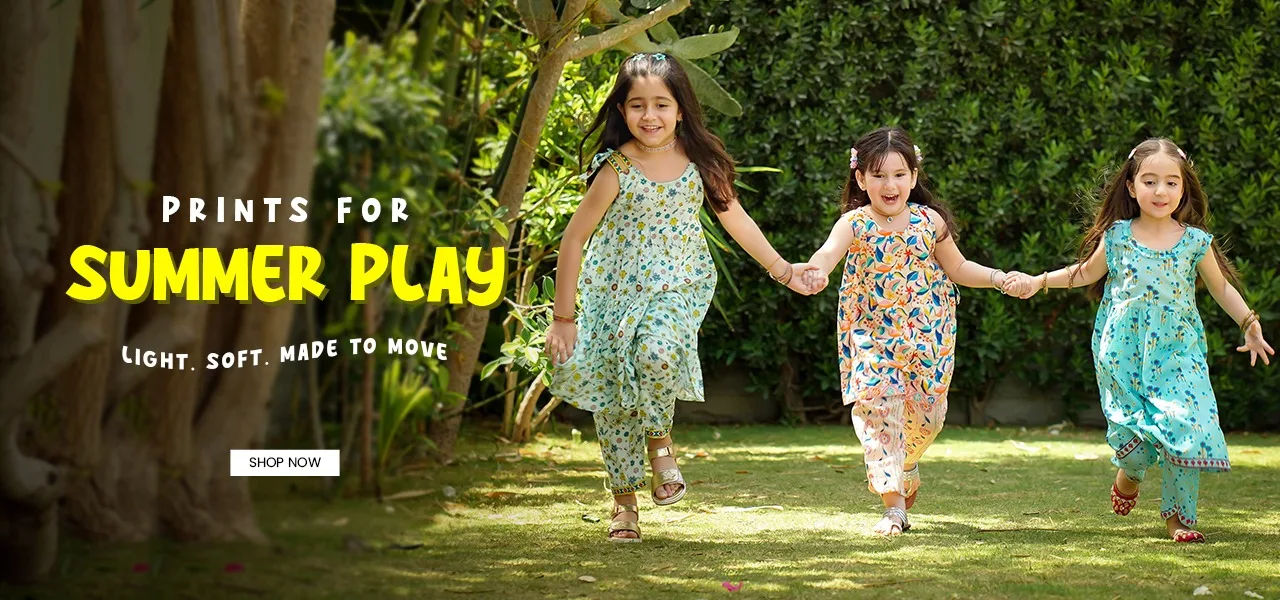
Some brands focus on casual everyday outfits, while others specialize in partywear, modest clothing, sportswear, or trendy street fashion. Understanding these differences can make it easier for teens and parents to choose clothing that suits both personal style and practical needs.
What Makes Teen Clothing Different?
Teen clothing occupies an interesting space between children's fashion and adult fashion. Teenagers are no longer looking for the playful designs commonly associated with young children, but they may also not want clothing designed specifically for adults.
Many girls clothing brands create separate collections for teenagers because this age group has specific needs. Teens want modern designs, but they also need clothing that is comfortable enough for school, social activities, family gatherings, and everyday use.
Sizing is another important factor. Teenagers can experience significant changes in height, body shape, and proportions. Brands that understand this may offer more flexible sizing and cuts designed around growing bodies.
Fashion Trends and Teen Preferences
Following Current Trends
Teenagers are often more interested in current fashion trends than younger children. Social media, influencers, music, television, and friends can all influence what styles become popular.
For this reason, many girls clothing brands release new collections regularly. They may introduce updated colors, patterns, silhouettes, and accessories to keep their products relevant.
However, following trends does not necessarily mean that every teenager wants the same look. Some prefer simple outfits, while others enjoy bold prints or fashionable streetwear.
Personal Style Matters
Teenagers are also beginning to develop a stronger sense of personal identity. Clothing can become a way to express interests, confidence, creativity, and personality.
One teenager might prefer oversized hoodies and sneakers, while another may choose dresses, skirts, or coordinated sets. Good teen-focused brands usually provide enough variety to accommodate these different preferences.
Quality and Fabric Choices
Comfort becomes particularly important when clothing is worn for several hours at school or during activities. Fabrics that feel soft and breathable can make a major difference.
Cotton, cotton blends, denim, linen, and other comfortable materials are commonly used in teen clothing. Some brands also incorporate stretch fabrics into jeans, trousers, tops, and dresses to allow easier movement.
Quality is another major difference between brands. Lower-priced clothing may be suitable for occasional use, but garments that are washed frequently need to withstand regular wear.
Durability for Everyday Wear
Teenagers often wear their favorite outfits repeatedly. School clothes, casual tops, jeans, jackets, and hoodies may go through frequent washing.
Brands that prioritize durability usually pay attention to stitching, fabric strength, buttons, zippers, and seams. These details may not be obvious when buying clothing, but they can have a significant effect on how long a garment remains usable.
Differences in Price
Price is one of the clearest differences among teen clothing brands. Some companies target shoppers looking for affordable everyday clothing, while others position themselves as premium or designer brands.
Affordable brands may focus on producing large quantities of fashionable clothing at accessible prices. Premium brands may spend more on materials, construction, branding, and unique designs.
Parents and teenagers should consider how often an item will be worn rather than looking only at the initial price.
For example, a durable jacket that is worn regularly for several years may provide better value than several inexpensive jackets that quickly lose their shape or appearance.
Casual Clothing for Teenagers
Casualwear is one of the largest categories in teenage fashion. It includes T-shirts, jeans, sweatshirts, hoodies, leggings, casual dresses, skirts, and comfortable trousers.
Many girls clothing brands specialize in casual collections because these garments can be used in many situations.
A simple T-shirt can be paired with jeans for an everyday look. The same teenager might wear it with a skirt or layered under a jacket for a slightly more polished outfit.
The Popularity of Layering
Layering is especially useful for teenagers because it allows them to change an outfit without buying an entirely new wardrobe.
A basic top can be combined with a cardigan, denim jacket, hoodie, sweater, or lightweight coat. This creates multiple outfit combinations while keeping clothing practical.
Layering also allows teenagers to adjust their clothing according to weather and different environments.
Partywear and Special Occasion Clothing
Teenagers also need clothing for birthdays, weddings, celebrations, school events, and family gatherings. Special occasion clothing tends to be different from everyday clothing.
Dresses, embellished tops, coordinated outfits, formal trousers, and stylish skirts may be included in these collections.
Some girls clothing brands focus heavily on occasionwear and use fabrics such as satin, chiffon, velvet, lace, or decorated materials. These garments are usually designed to look more polished than everyday clothing.
The best choice depends on the event. A family wedding may require a more formal outfit, while a casual birthday gathering may call for something simpler.
Modest Clothing Options
Modesty is another area where teen clothing brands can differ significantly. Some brands offer short skirts, sleeveless tops, and fitted styles, while others provide longer dresses, loose-fitting shirts, wide-leg trousers, and layering pieces.
Teenagers and families who prefer modest fashion can look for brands that offer coverage without sacrificing modern style.
Long dresses, maxi skirts, tunics, loose trousers, lightweight jackets, and coordinated sets can create fashionable outfits while maintaining a preferred level of coverage.
Sportswear and Activewear
Teenagers who participate in sports or physical activities have different clothing requirements. Activewear needs to provide freedom of movement and comfort.
Sports-focused brands may use moisture-managing fabrics, stretch materials, supportive designs, and lightweight construction.
Leggings, athletic shorts, sports tops, tracksuits, and training jackets are common choices.
Function Comes Before Appearance
While appearance is still important, activewear should primarily allow comfortable movement. Clothing that is too tight, too loose, heavy, or restrictive may make physical activity uncomfortable.
This is an important distinction between fashion-focused clothing and performance-focused clothing.
Streetwear and Youth Culture
Streetwear has become an important part of teenage fashion. Oversized shirts, hoodies, cargo trousers, sneakers, graphic designs, and layered outfits are common examples.
Streetwear-focused girls clothing brands often use bold graphics, relaxed silhouettes, and distinctive branding.
This style can be particularly appealing to teenagers who want their clothing to look casual while still feeling current.
Sizing and Fit
Sizing can vary considerably from one brand to another. A teenager who wears one size in one store may need a different size somewhere else.
This happens because brands use different measurements and patterns.
Teen-focused brands may also create different fits, such as relaxed, regular, slim, or oversized styles. Understanding the actual measurements can be more useful than relying only on the number or letter printed on a label.
Why Fit Matters
A good fit improves both comfort and appearance. Clothing should allow normal movement without being excessively tight or loose.
For growing teenagers, slightly flexible designs can also provide more useful wear over time.
Stretch waistbands, adjustable straps, relaxed cuts, and elastic materials can be particularly practical.
Colors, Prints, and Patterns
Teen fashion is not limited to a single color palette. Some teenagers prefer neutral colors such as black, white, beige, navy, and gray. Others enjoy pink, purple, blue, green, or brighter shades.
Patterns can also vary from simple stripes and checks to florals, graphics, abstract designs, and seasonal prints.
Different girls clothing brands develop recognizable visual identities through their use of colors and patterns. This allows shoppers to find brands that naturally match their preferences.
Sustainability and Ethical Fashion
Environmental awareness has become increasingly important in fashion. Some brands are making efforts to reduce waste, use recycled materials, improve manufacturing practices, and produce clothing that lasts longer.
Teenagers may be interested in these choices because clothing is connected to broader environmental issues.
Buying fewer, better-quality garments can also help reduce unnecessary consumption. Taking care of clothing properly, repairing damaged items, and donating garments that are no longer needed can extend their useful life.
Online Shopping Versus Physical Stores
The shopping experience can also differ between brands. Online stores provide a large selection and make it easy to compare styles, colors, and prices.
However, buying clothing online can make sizing more difficult. Customers should carefully check measurement charts, fabric information, return policies, and customer reviews.
Physical stores offer the advantage of trying clothing on before purchasing it. This can be especially helpful for teenagers who are still figuring out which cuts and sizes work best for them.
Branding and Social Media
Teen clothing brands often use social media differently from brands targeting older adults.
Instagram, TikTok, YouTube, and other platforms can influence trends and help brands reach young shoppers. Product photos, styling videos, influencer collaborations, and short-form fashion content can quickly make a particular style popular.
Teenagers should remember that social media fashion does not always represent everyday reality. An outfit can look attractive in a carefully prepared photo but may not be practical for school, weather, movement, or regular use.
How Parents and Teens Can Choose Together
Shopping can become easier when teenagers and parents consider both style and practicality.
Teenagers should have the opportunity to express their preferences because clothing is an important part of developing personal confidence and independence.
Parents can help by considering factors such as quality, comfort, budget, dress codes, and how often the clothing will be worn.
Instead of focusing only on whether a garment looks fashionable, both can ask whether it is comfortable, suitable for the occasion, easy to care for, and likely to remain useful.
Building a Useful Teen Wardrobe
A teenager does not need a huge wardrobe to have plenty of outfit choices.
A practical wardrobe can include everyday tops, comfortable jeans or trousers, casual dresses, a few special occasion pieces, outerwear, activewear, and versatile shoes.
Neutral basics can be combined with a few statement pieces to create different looks.
Accessories can also change an outfit without requiring a completely new set of clothes. Bags, scarves, hair accessories, jewelry, belts, and shoes can add variety.
What Should You Look for in a Teen Clothing Brand?
The best brand depends on the teenager's individual needs. There is no single company that is perfect for everyone.
Consider the brand's sizing, fabric quality, price range, design style, return policy, and reputation for durability.
It is also useful to think about the purpose of the clothing. Schoolwear, sportswear, partywear, modest fashion, and everyday casualwear all have different requirements.
A teenager who understands these differences can make more confident shopping decisions.
Conclusion
Teen clothing brands differ because teenagers themselves have different lifestyles, preferences, budgets, and personalities. Some brands focus on trendy streetwear, while others emphasize casual basics, activewear, modest fashion, special occasion outfits, or premium materials.
The strongest girls clothing brands recognize that teenagers need more than attractive designs. They need clothing that combines comfort, appropriate fit, personal expression, quality, and practicality.
When choosing clothing, it is helpful to look beyond trends and consider how a garment will actually be used. A fashionable item is valuable when it is comfortable enough to wear, durable enough to last, and versatile enough to fit into a teenager's daily life.
Ultimately, the best clothing choices are those that allow teenagers to feel comfortable and confident while expressing their own personalities. Understanding how different brands approach design, quality, pricing, sizing, and style makes it easier for both teenagers and parents to build a wardrobe that feels fashionable without sacrificing practicality.