
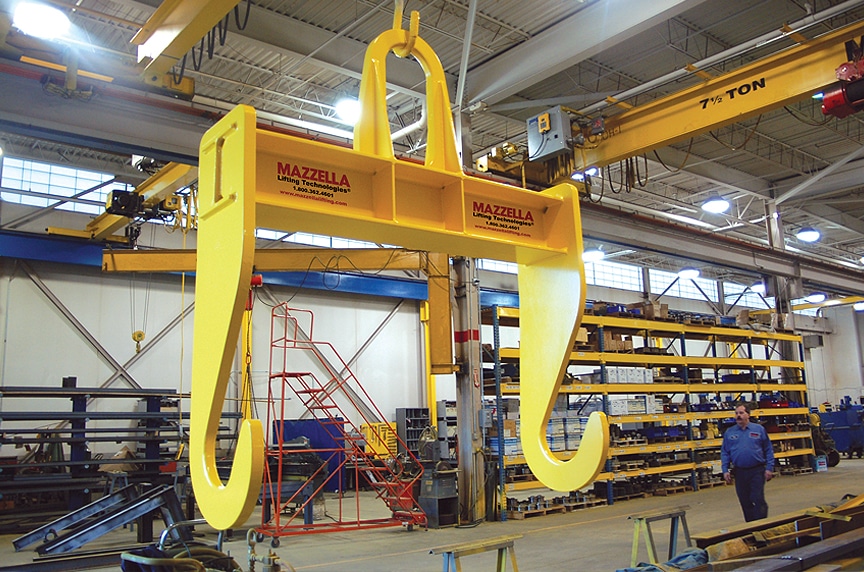
Below THE HOOK LIFTING DEVICES play a Major role in Bodoni font LIFTING operations where accuracy, balance, and safety weigh. In INDUSTRIAL plants, warehouses, fabrication yards, and construction sites, moving heavily or awkward LOADs is a task. Relying only on basic HOOKs is seldom enough. This is where BELOW THE HOOK LIFTING DEVICES become necessary tools, premeditated to attach directly beneath a CRANE or hoist and subscribe LOADs in a controlled way.
These DEVICES are not one size fits all. They are built for particular materials, weights, and treatment conditions. Understanding how BELOW THE HOOK LIFTING DEVICES work and why THEy are used helps operators reduce risks, protect materials, and ameliorate work flow efficiency.
What Are Below THE Hook Lifting Devices
Below THE HOOK LIFTING DEVICES are LOAD treatment ATTACHMENTS that connect between THE CRANE HOOK and THE LOAD itself. Instead of placing a HOOK straight into a catapult or material, THEse DEVICES act as an user interface that distributes angle and holds THE LOAD firmly.
They are ordinarily used when LOADs are big, unequal, weak, or want on the nose position. Many BELOW THE HOOK LIFTING DEVICES are engineered to meet strict refuge standards, ensuring sure public presentation during LIFTING and letting down.
Key characteristics include Attachment BELOW THE CRANE HOOK Designed for specific LOAD types Improves LOAD stability and control Reduces manual handling risks
Why Below THE Hook Lifting Devices Matter in Daily Operations
Using BELOW THE HOOK LIFTING DEVICES improves more than just LIFTING effectiveness. They support safe work practices and help keep off to worthy materials.
Some of THE main reasons companies rely on BELOW THE HOOK LIFTING DEVICES include Better LOAD poise during LIFTs Reduced swing and shifting Less try on slings and HOOKs Improved prole safety Faster and more repeatable LIFTs
When LOADs are LIFTed without specific DEVICES, THE risk of slippage or unbalance increases. Below THE HOOK LIFTING DEVICES wor this by retention THE LOAD centered and restricted throughout THE LIFT.
Common Types of Below THE Hook Lifting Devices
There are many styles of BELOW THE HOOK LIFTING DEVICES, each studied for a specific purpose. Selecting THE right type depends on THE material shape, slant, and handling requirements.
Spreader Beams and Lifting Beams
Spreader beams are used when LOADs need to be LIFTed from quintuple points. They help distribute THE slant and prevent deflexion or quelling.
Typical uses include Long nerve sections Precast panels Machinery frames
C Hooks and Coil Lifters
C HOOKs are wide used in nerve mills and warehouses. They allow operators to LIFT coils from THE center without negative edges.
Benefits include Fast participation and release Stable flat LIFTING Reduced stuff damage
Plate Clamps and Vertical Lifters
These BELOW THE HOOK LIFTING DEVICES grip plates or sheets firmly using natural philosophy or mechanics forc.
Common applications Steel plates Metal sheets Fabrication shops
Lifting Tongs and Grabs
Tongs are studied to grip LOADs such as pipes, blocks, or bundled materials. They correct to different sizes and hold THE LOAD firmly during front.
How Below THE Hook Lifting Devices Improve Safety
Safety is one of THE strongest reasons to vest in BELOW THE HOOK LIFTING DEVICES. These tools reduce THE need for workers to manually steer or stabilize LOADs.
Safety advantages include Lower chance of born LOADs Reduced side LOADing on CRANE HOOKs Controlled LIFTING and letting down motion Clear LOAD involution points
Many BELOW THE HOOK LIFTING DEVICES are proof tried and labelled with rated capacities. This helps operators stay within safe working limits and avoid overLOAD situations.
Choosing THE Right Below THE Hook Lifting Devices
Selecting THE DEVICE requires more than checking slant capacity. The shape, revolve around of solemnity, and rise up of THE LOAD all matter.
Consider THE following factors Load angle and dimensions Material type and rise finish Required LIFT points Environmental conditions Frequency of use
Working with fully fledged suppliers helps ensure THE BELOW THE HOOK LIFTING DEVICES pit both THE LOAD and THE CRANE system of rules being used.
Inspection and Maintenance Basics
Like any LIFTING EQUIPMENT, crane lifting attachments require habitue review. Small defects can lead to serious incidents if ignored.
Basic review practices include Checking for cracks or deformation Inspecting welds and joints Ensuring moving parts run smoothly Verifying markings and capacity labels
Routine maintenance keeps BELOW THE HOOK LIFTING DEVICES dependable and extends THEir serve life.
Industries That Depend on Below THE Hook Lifting Devices
Below THE HOOK LIFTING DEVICES are used across many sectors where heavy LIFTING is function.
Common industries include Construction and infrastructure Steel and metal processing Manufacturing plants Warehousing and logistics Power and vim projects
Each manufacture benefits from bespoke BELOW THE HOOK LIFTING DEVICES studied for its unique challenges.
Efficiency Gains Through Proper Load Handling
Beyond safety, BELOW THE HOOK LIFTING DEVICES better productiveness. Operators can pose LOADs quicker, ordinate components more accurately, and reduce caused by LOAD unstableness.
Over time, this leads to smooTHEr trading operations and few interruptions on THE job site.
A Practical Way Forward in Load Handling
Below THE HOOK LIFTING DEVICES bear on to form how heavy materials are moved every day. With THE right design, correct utilization, and regular care, THEse tools become a trusty extension of THE CRANE itself. They support safer LIFTING, protect worthy LOADs, and help teams work with confidence, even when handling THE most needy materials.